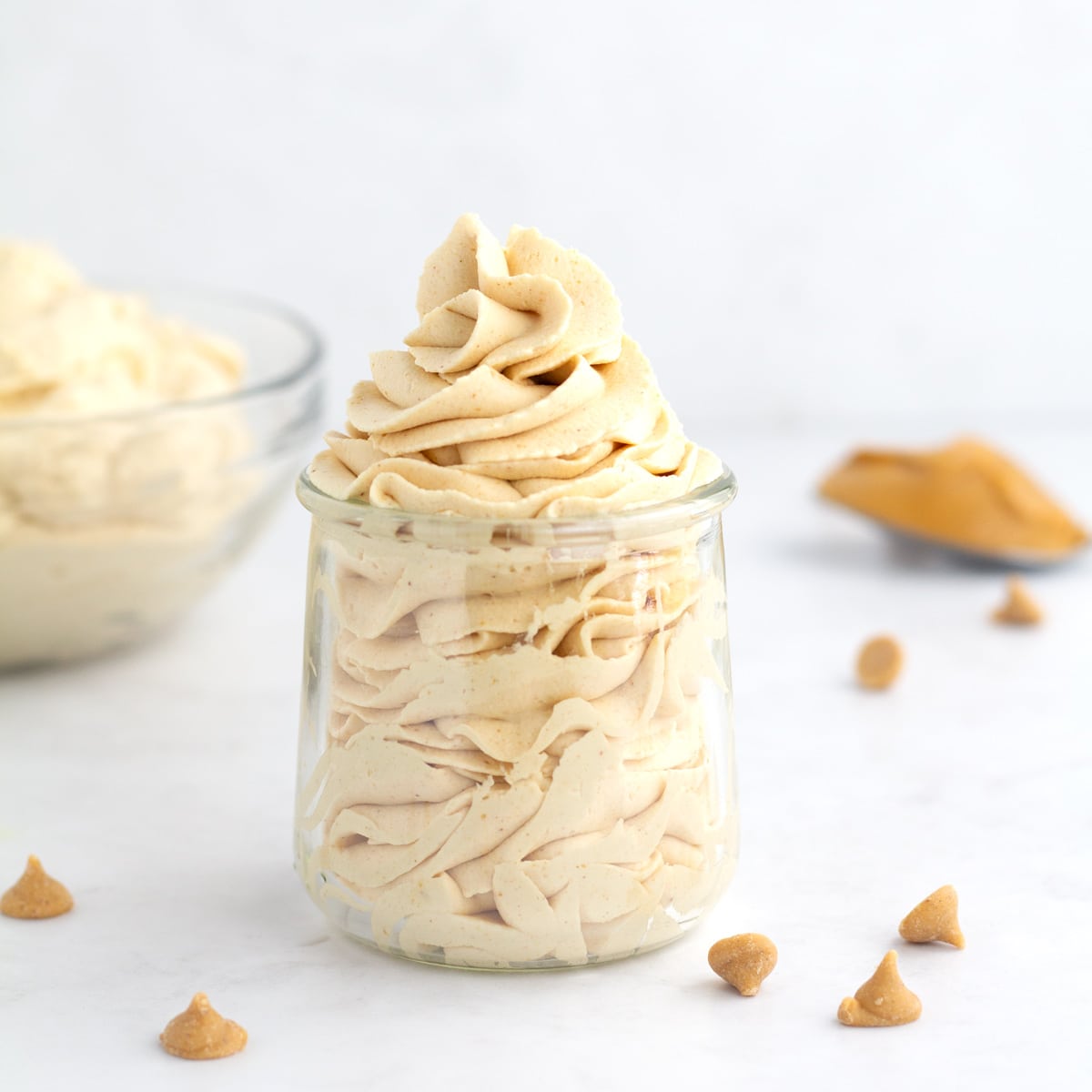
Mastering Stable Peanut Butter Whipped Cream Secrets
The allure of a light, airy dollop of peanut butter whipped cream cascading over your favorite dessert is undeniable. It's a symphony of creamy, sweet, and salty notes that elevates everything from pies and cakes to hot cocoa and fresh fruit. However, many home cooks face a common nemesis: a delightful creation that quickly wilts, separating into a runny mess. The secret to truly mastering this delectable topping lies in understanding how to achieve a perfectly stable peanut butter whipped cream. This comprehensive guide will equip you with the knowledge, tips, and techniques to ensure your peanut butter whipped cream stands tall, holding its form and flavor, even hours after preparation.
Gone are the days of sad, deflated whipped cream. We're about to unlock the secrets to creating a robust, long-lasting topping that will not only impress your guests but also ensure your desserts look and taste incredible from the first bite to the last.
The Foundation of Flavor & Stability: Essential Ingredients
Achieving a stable whipped cream starts long before you even turn on the mixer. It begins with selecting the right ingredients and understanding their roles. Each component contributes to the final texture, flavor, and, crucially, the stability of your peanut butter whipped cream.
- Heavy Cream (or Heavy Whipping Cream): This is the undisputed star. Look for cream with a minimum of 36% milk fat, but ideally 40% or higher. The higher fat content is what allows the cream to trap air and form a stable emulsion. Do not substitute with half-and-half or light cream; they simply don't have enough fat to hold their structure.
- Peanut Butter: The flavor hero! For the best stability, opt for a creamy, processed peanut butter (like Jif or Skippy) over natural, oil-separated varieties. The emulsifiers and stabilizers in processed peanut butter contribute to a firmer final product. If you absolutely must use natural peanut butter, ensure it's well-stirred and consider draining off excess oil. For a deeper dive into the basic preparation, you can always refer to our guide on How to Make Delicious Peanut Butter Whipped Cream.
- Sweetener: Powdered Sugar (Confectioners' Sugar) is Key: While granulated sugar works for basic whipped cream, powdered sugar is superior for stability. It contains a small amount of cornstarch, which acts as a natural stabilizer, helping the whipped cream hold its structure longer. It also dissolves more readily, preventing a grainy texture.
- Flavor Enhancers: A pinch of salt perfectly balances the sweetness and brings out the nutty flavor of the peanut butter. Vanilla extract is also a wonderful addition, complementing both the cream and the peanut butter.
Mastering the Technique: Chilling & Whipping Secrets
Beyond the ingredients, the process itself plays a vital role in stability. Temperature and proper technique are your best friends in creating a whipped cream that won't fall flat.
The Importance of Temperature
This is perhaps the most crucial secret to stable whipped cream. Everything should be as cold as possible:
- Chilled Heavy Cream: Keep your heavy cream in the coldest part of your refrigerator until the very last moment. Warm cream will not whip properly and will quickly lose its structure.
- Chilled Equipment: Place your mixing bowl (preferably metal or glass) and whisk attachments (or mixer beaters) in the freezer for at least 15-20 minutes before you start. Cold equipment helps keep the cream cold during the whipping process, promoting better aeration and a firmer whip.
Proper Mixing Equipment & Method
While a hand mixer works, a stand mixer with a whisk attachment is ideal for consistent, hands-free whipping.
- Start Slow: Begin whipping the heavy cream on a low speed to incorporate air gradually and prevent splattering.
- Gradually Increase Speed: Once the cream begins to thicken slightly and gets foamy, increase the speed to medium-high.
- Add Peanut Butter and Sweetener: Once the cream reaches soft peaks (meaning it holds its shape but the tip curls over), reduce the speed to low. Add the room-temperature peanut butter, powdered sugar, and any other flavorings (vanilla, salt).
- Mix to Combine: Continue mixing on low speed until the peanut butter and sugar are fully incorporated and there are no streaks.
- Whip to Desired Stiffness: Increase the speed back to medium-high and whip until you reach stiff peaks. This means the whipped cream holds its shape firmly when the whisk is lifted, and the peak stands straight up.
The Art of Whipping: When to Stop
Over-whipping is a common mistake that can lead to grainy, curdled whipped cream or even butter. Keep a close eye on your cream as it whips. Stop as soon as it reaches stiff peaks. The moment it looks like it might turn into butter, stop!
Stabilizing Your Peanut Butter Whipped Cream for Lasting Perfection
For truly long-lasting stability, especially if you need to prepare it in advance or use it in warmer conditions, adding a dedicated stabilizer is the way to go.
Gelatin: The Gold Standard Stabilizer
Unflavored gelatin is arguably the most effective stabilizer for whipped cream. It creates a network that traps air and prevents the cream from weeping.
- How to Use: For every 2 cups of heavy cream, use about 1 teaspoon of unflavored gelatin. Sprinkle the gelatin over 2-3 tablespoons of cold water in a small, microwave-safe bowl. Let it bloom for 5 minutes. Then, microwave for 5-10 seconds until completely dissolved and clear (do not boil). Let it cool slightly but ensure it remains liquid.
- Incorporation: Once your whipped cream reaches soft peaks (before adding peanut butter), slowly drizzle the cooled, dissolved gelatin into the whipping cream while the mixer is running on low speed. Continue whipping until stiff peaks form.
Cream Cheese or Mascarpone for Richness & Body
These dairy products add not only stability but also a delicious tang and richness to your peanut butter whipped cream.
- How to Use: For every 2 cups of heavy cream, use 4-6 ounces of softened cream cheese or mascarpone. In a separate bowl, whip the softened cream cheese/mascarpone until smooth. Once your heavy cream reaches soft peaks, add the whipped cream cheese/mascarpone along with the peanut butter and powdered sugar. Whip until stiff peaks form.
Cornstarch or Powdered Sugar for Subtle Support
As mentioned, powdered sugar contains cornstarch, offering some inherent stability. If using granulated sugar, you can add an extra teaspoon of cornstarch per cup of heavy cream for a boost. Mix it directly with the sugar before adding it to the cream.
The Unsung Hero: Non-Fat Dry Milk Powder
A simple addition that makes a noticeable difference. Non-fat dry milk powder absorbs excess moisture and increases the protein content, leading to a more stable structure. Add 1-2 tablespoons per 2 cups of heavy cream along with the powdered sugar.
Common Pitfalls & Troubleshooting Your Peanut Butter Whipped Cream
Even with the best intentions, things can sometimes go awry. Here’s how to avoid common issues and fix them when they happen.
Why is My Whipped Cream Runny?
- Warm Ingredients/Equipment: The most common culprit. Ensure everything is thoroughly chilled.
- Insufficient Whipping: You might not have whipped it long enough. Continue whipping until stiff peaks form.
- Low Fat Cream: Using anything less than heavy cream (36% fat minimum) will result in a runny product.
- Too Much Liquid Peanut Butter: If using a very oily natural peanut butter, try to drain some of the oil before adding.
Preventing Over-Whipping
Over-whipped cream quickly turns grainy, separates, and eventually becomes butter. The key is vigilance:
- Watch Closely: Pay attention to the texture. As soon as it holds stiff peaks, stop.
- Don't Walk Away: Whipping can go from perfect to over-whipped in mere seconds. Stay by your mixer.
Dealing with Separation
If your whipped cream starts to separate or weep liquid, it's often due to lack of stabilization or sitting too long in warm conditions. Unfortunately, once it separates significantly, it’s hard to fully reverse. For best results, consume within a few hours or, if stabilized, within 24-48 hours, keeping it refrigerated. To make your whipped cream even more impressive and avoid common presentation mishaps, remember to check out our guide on Elevate Desserts with Peanut Butter Whipped Cream Tips.
Conclusion
Mastering stable peanut butter whipped cream is an achievable goal for any home baker or dessert enthusiast. By understanding the importance of cold ingredients and equipment, choosing the right type of peanut butter, and strategically employing stabilizers like gelatin or cream cheese, you can create a topping that is not only incredibly delicious but also holds its pristine shape for hours. Experiment with these techniques, find what works best for your specific needs, and enjoy the satisfaction of serving a perfectly lofty, creamy, and flavorful peanut butter whipped cream that truly stands out!
